


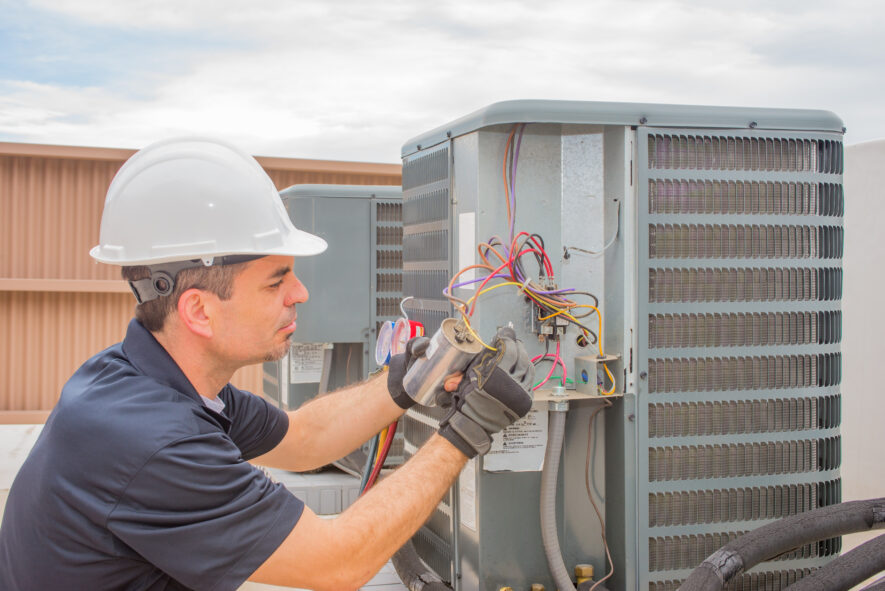
Why an Indianapolis Commercial AC Runs Nonstop Without Reaching Setpoint
An Indianapolis commercial AC system that runs continuously without reaching the thermostat setpoint is costing more in energy every day it operates in that condition while making the building uncomfortable. The fact that it is running is not evidence that it is working. There are…
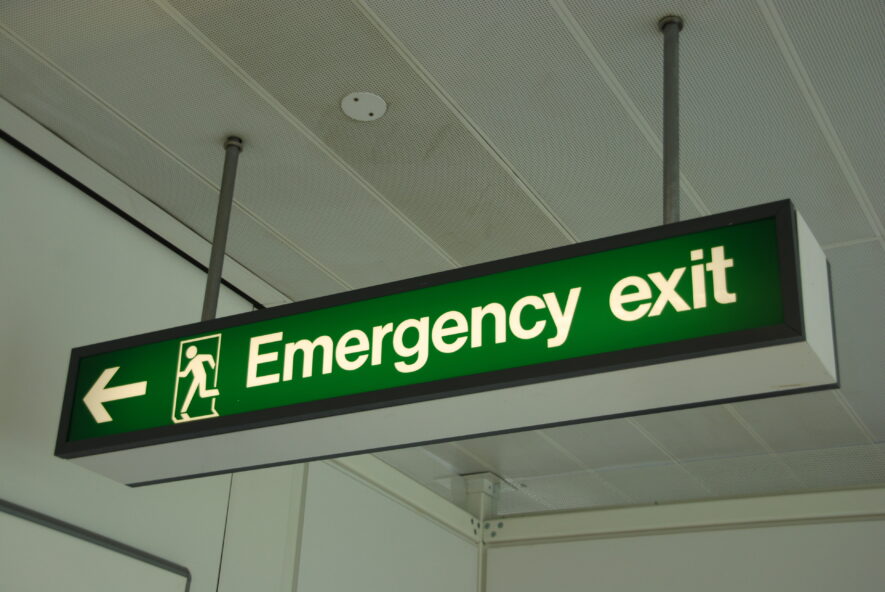
What Happens When a Commercial Building Fails an Emergency Lighting Inspection
A failed emergency lighting inspection is not a paperwork problem. It is a documentation that an Indianapolis commercial building’s life safety systems did not perform as required when tested. The consequences depend on the severity of the deficiency and the authority that issued the citation,…
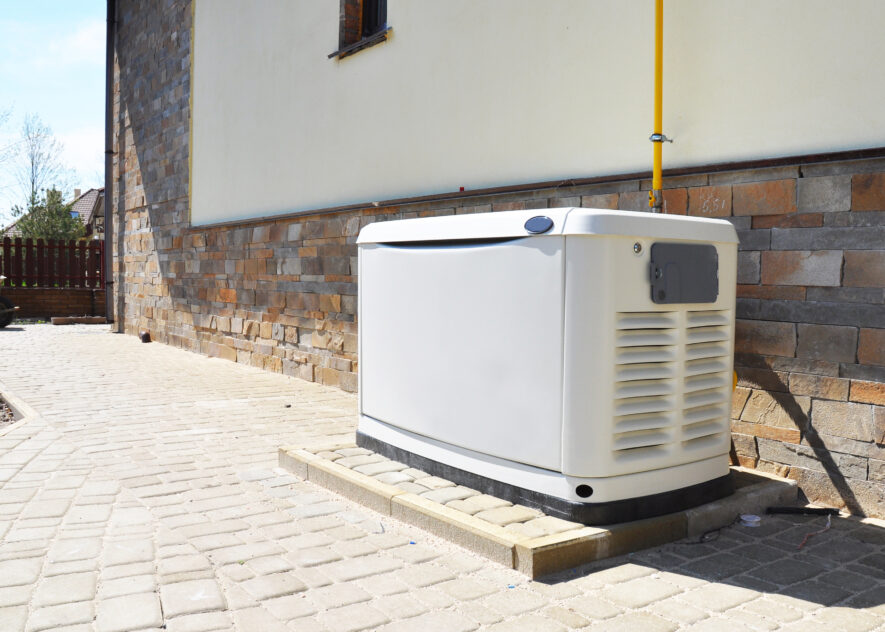
Why Indianapolis Commercial Businesses Need Standby Generators This Summer
The case for standby generators in Indianapolis commercial buildings is not a hypothetical. Indiana’s summer storm season, which peaks from June through August, produces more utility outage events than any other period of the year. Commercial buildings without backup power have no defense when the…
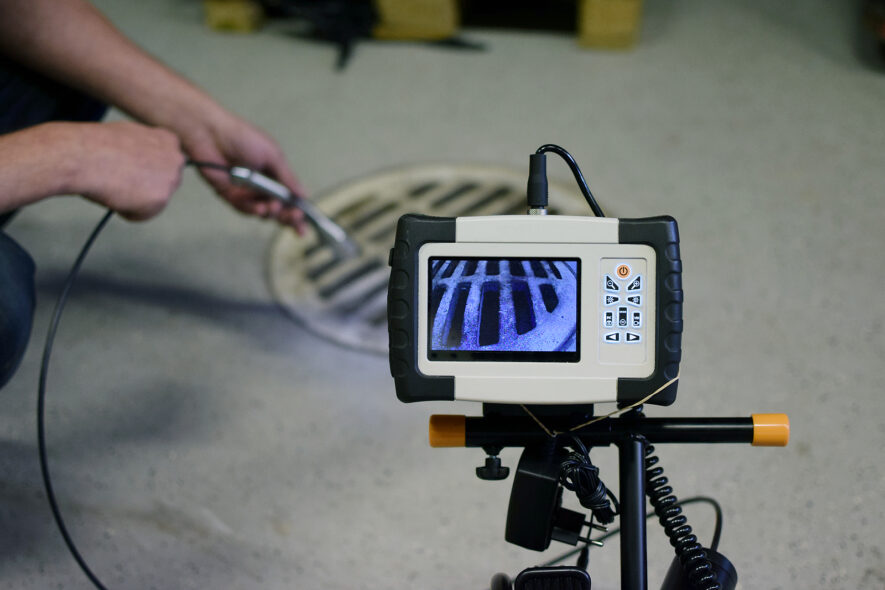
How Often Should Commercial Sewer Lines Be Cleaned in Indianapolis Buildings
The answer is not the same for every building, and that is the most important thing to understand about commercial sewer line maintenance. Building type, drain load, pipe age, and local conditions all determine how often a commercial sewer line needs professional cleaning. A commercial…
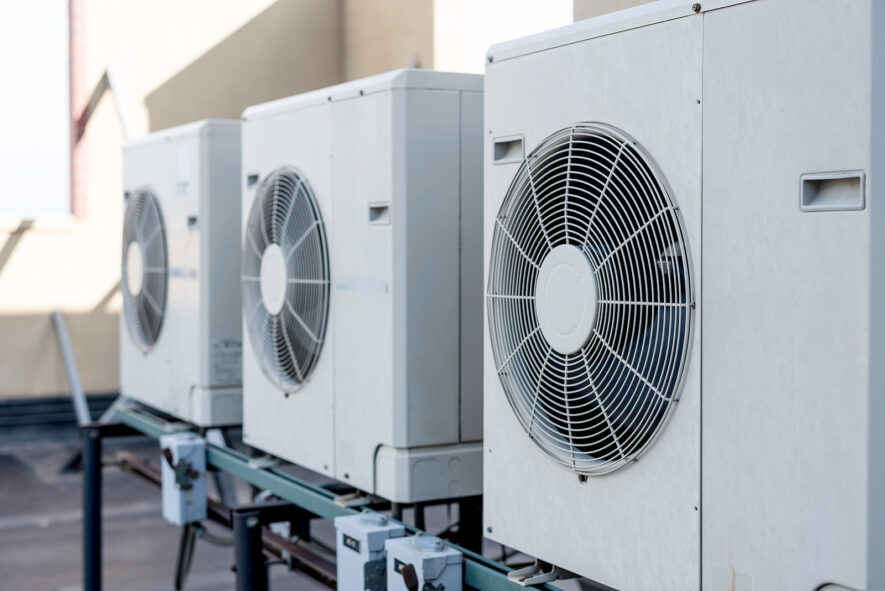
What Dirty Condenser Coils Are Costing Indianapolis Commercial Buildings
Dirty commercial AC condenser coils cost Indianapolis businesses money in three separate ways, and most facility managers only think about one of them. The energy cost is the most visible: fouled coils force the compressor to work harder, which shows up in the energy bill….
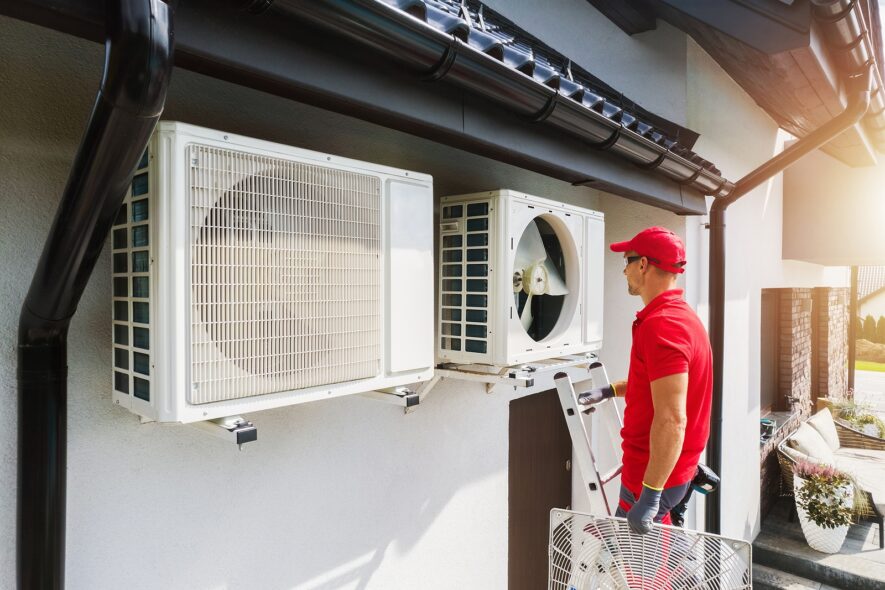
What Causes Musty Odors in Commercial HVAC Systems and How to Fix Them
A musty smell from commercial HVAC supply air is not a mystery odor. It comes from biological growth, typically mold, algae, or bacterial biofilm, that has established itself on the evaporator coil, in the condensate drain pan, or in sections of ductwork where moisture accumulates….
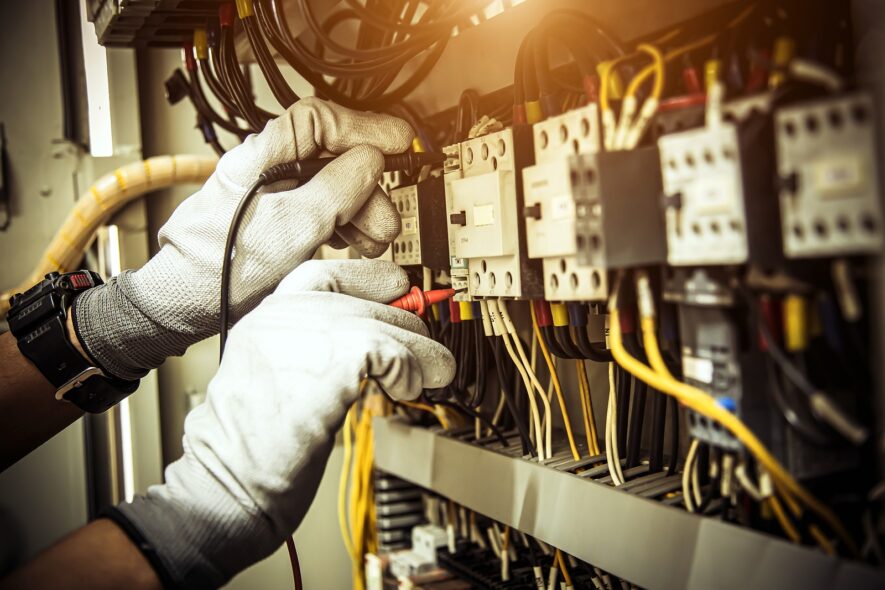
What Is an Automatic Transfer Switch and Why Commercial Buildings Need One
A standby generator without an automatic transfer switch is like a fire extinguisher stored in the back room with a locked door and no one on-site with a key. The equipment exists and is theoretically capable of addressing the problem, but the conditions required to…
Why Indianapolis Commercial Buildings Have Poor Air Quality During Summer
Summer is when Indianapolis commercial buildings are most likely to have indoor air quality problems, which is the opposite of what most facility managers expect. The assumption is that an HVAC system running at full capacity should be delivering more conditioned air than at any…
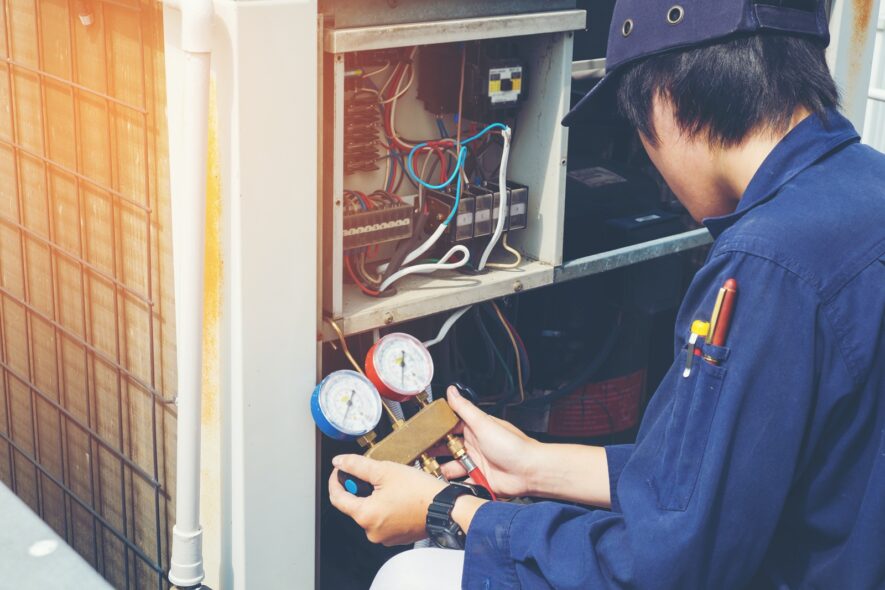
Why Commercial AC Compressors Fail in Indiana Summers and What Causes It
Commercial AC compressors fail in Indiana summers for reasons that were developing for weeks before the unit stops. Most summer compressor failures trace back to dirty condenser coils, a refrigerant charge that dropped from an undetected leak, a degraded run capacitor forcing the motor to…
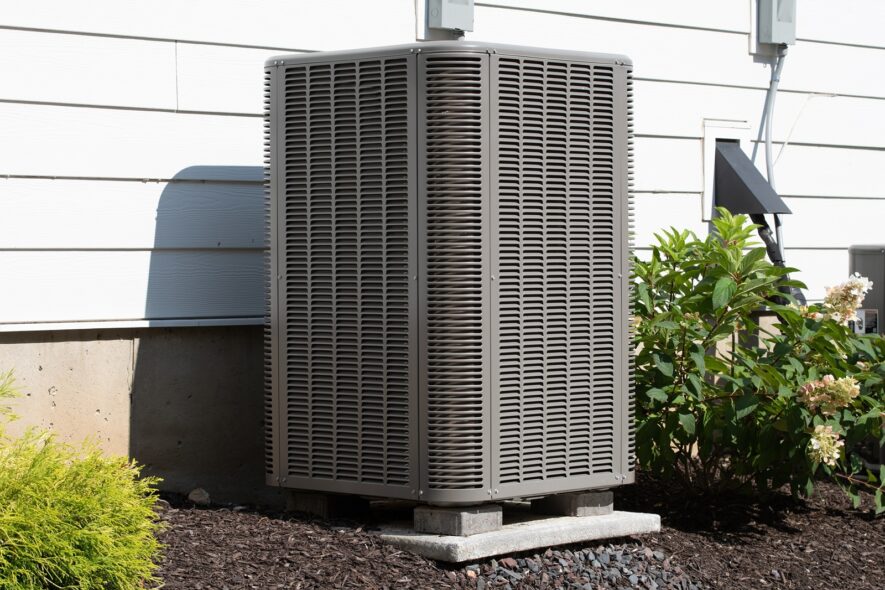
Why Commercial AC Short Cycling in Summer Destroys Equipment and Comfort
A commercial AC system that starts and stops every few minutes is running a demolition schedule on its compressor. Short cycling in commercial buildings is one of the most damaging operating patterns HVAC equipment can develop, and it peaks in summer when oversized equipment cools…